
From Madrid to the Marble Quarry: Finding Design Inspiration Across Spain
Art, architecture, food, centuries-old marble, and a firsthand look inside Cosentino’s quarry and factory.
There are some trips that stay with you long after you return home - not simply because of the places you visited, but because they change the way you look at design.
Our recent trip to Spain with Cosentino was exactly that.
We traveled to Spain to experience firsthand where some of the materials we love actually come from! We stood inside a marble quarry, toured Cosentino’s manufacturing facilities, learned how their innovative surfaces are made, and saw the craftsmanship, technology, and history behind the finished slabs we know so well.
And our inspiration began before we ever reached the quarry.
Our first stop was Madrid, where we found design everywhere we looked: in the architecture, museums and artwork, INCREDIBLE food, tile beneath our feet, stone surrounding us, and layers of texture throughout the city.
From Madrid, we traveled south to experience Cosentino at its source before continuing to Granada and the Alhambra.
By the end of the trip, we found ourselves thinking about materials in an entirely new way.
First Stop: Finding Inspiration in Madrid
Madrid was the perfect introduction to Spain because it immediately reminded us that design isn’t confined to interiors.
Design is everywhere.
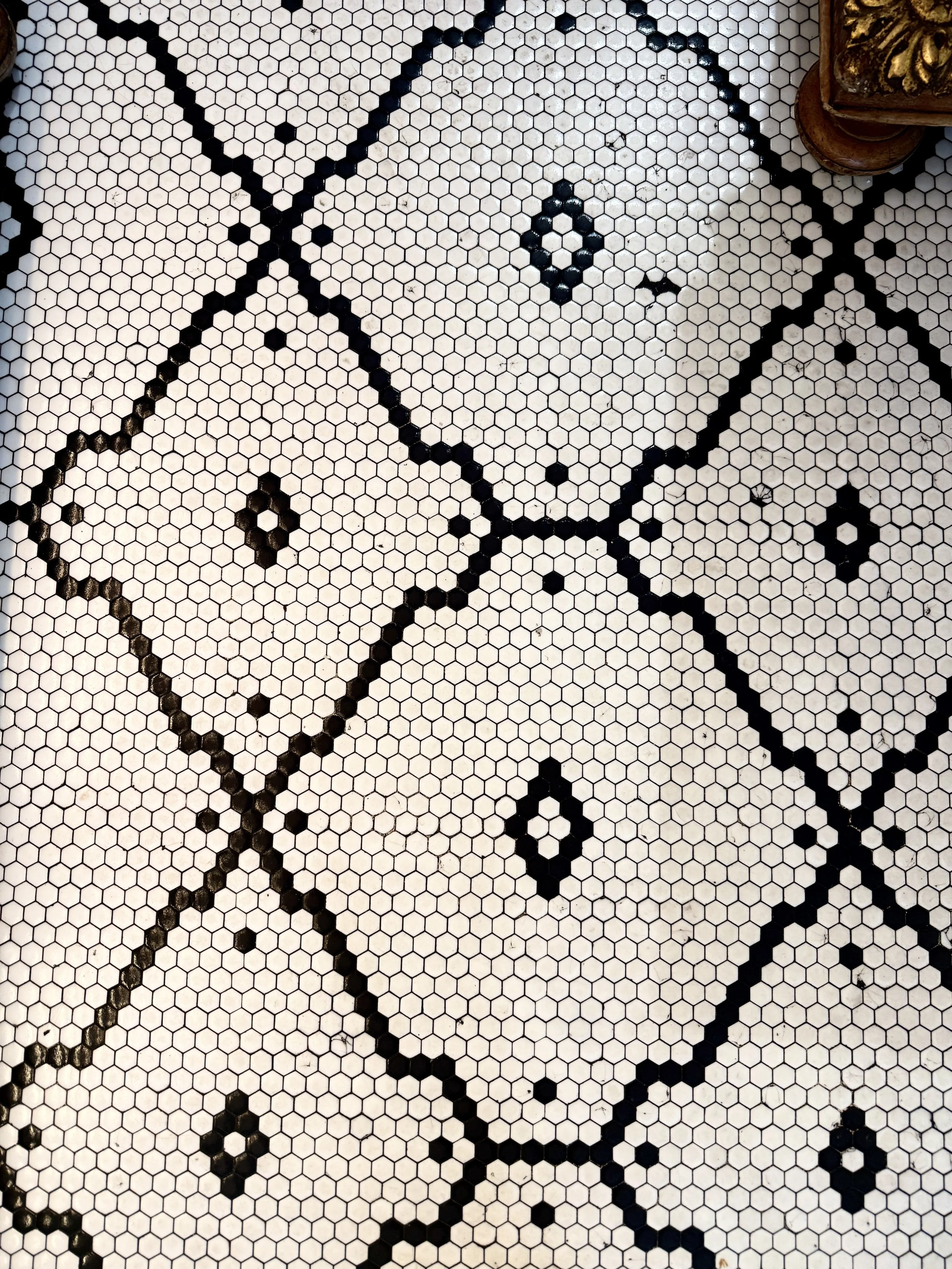
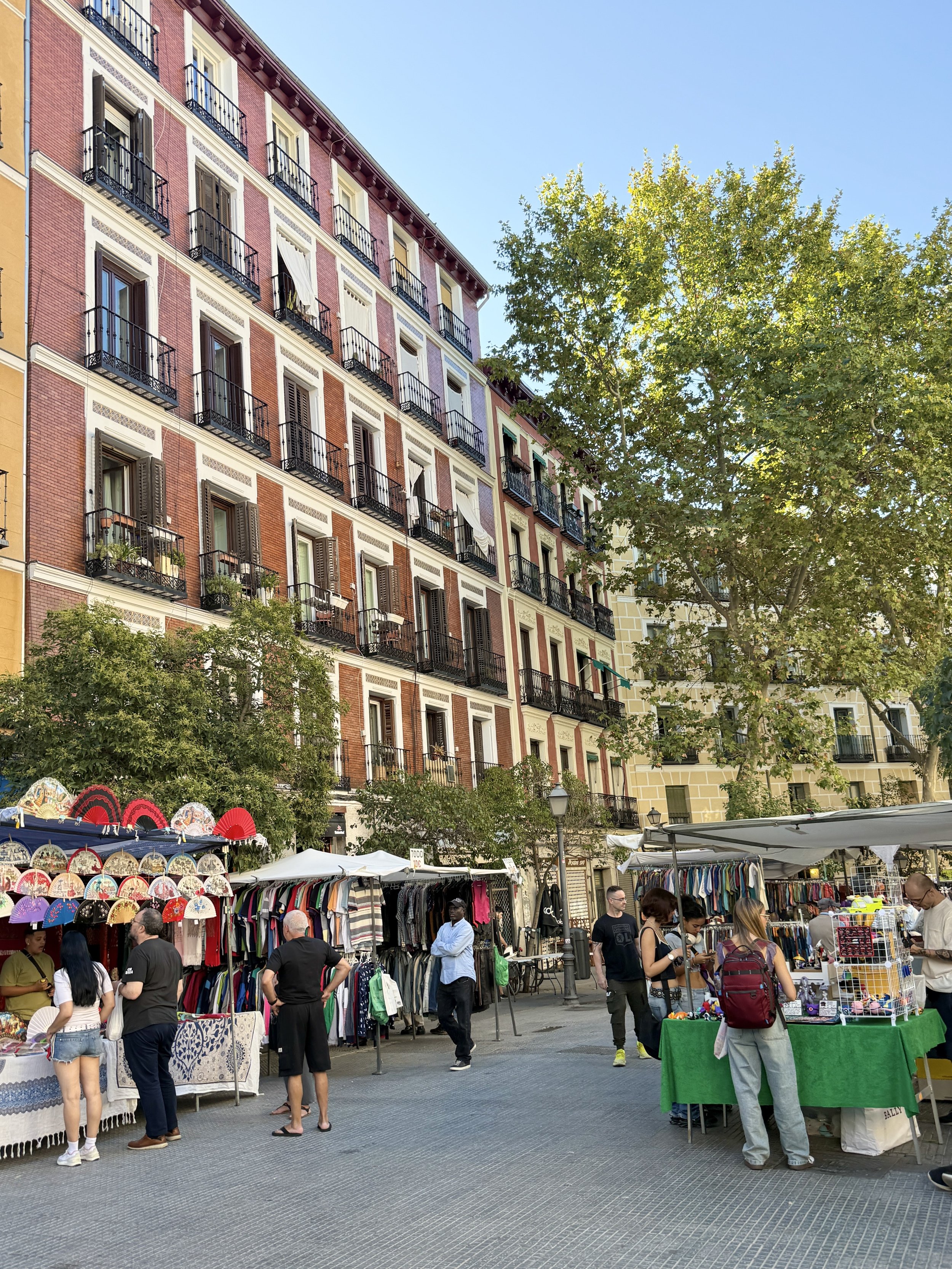
We saw it in the architecture lining the streets, intricate tile and stonework, restaurants and hotels, shop windows, and centuries-old buildings.
There was an incredible mix of refinement and age - spaces that felt elegant without feeling overly polished.
And then, of course, there was the art.
Inspiration at the Prado
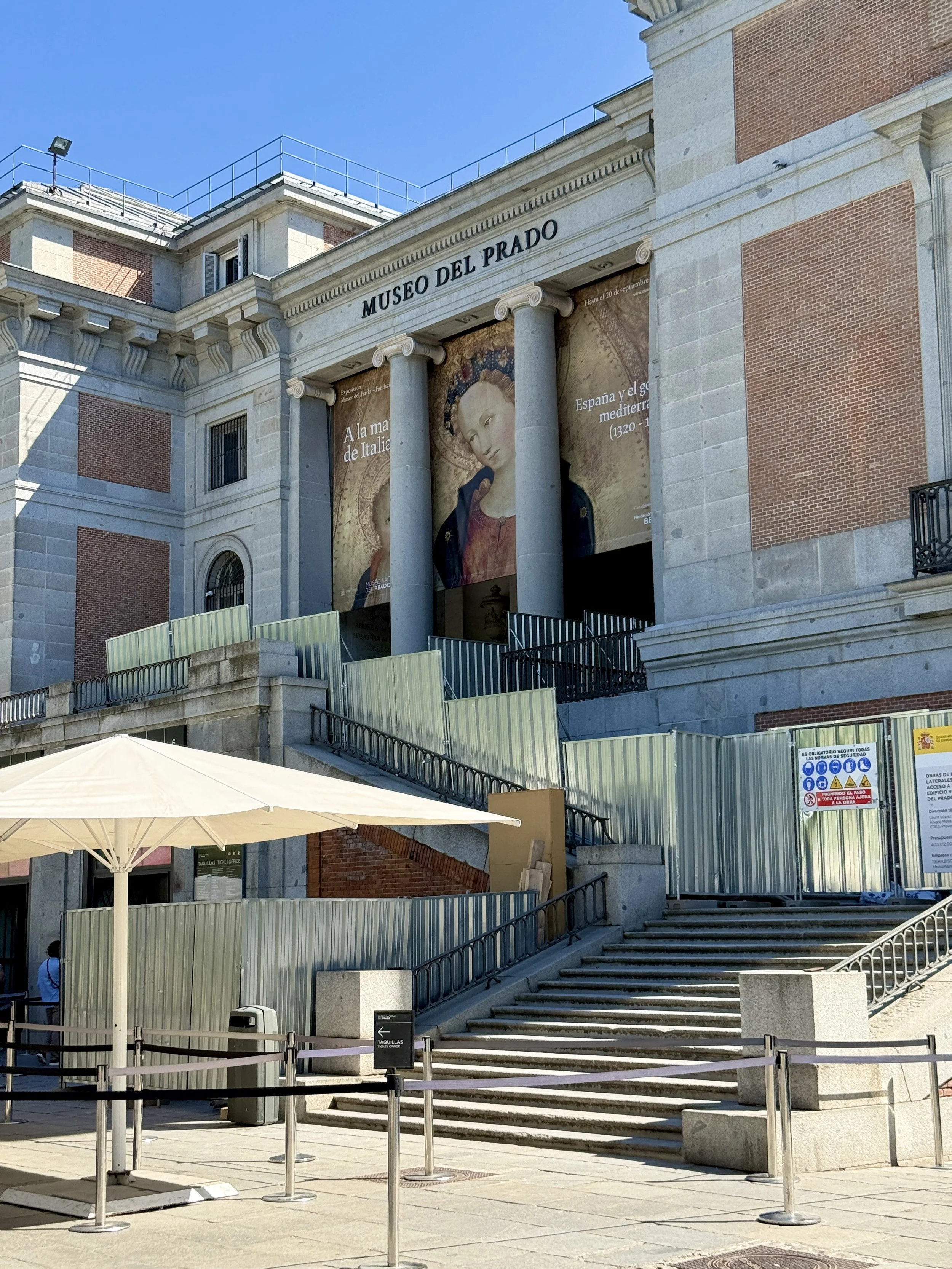
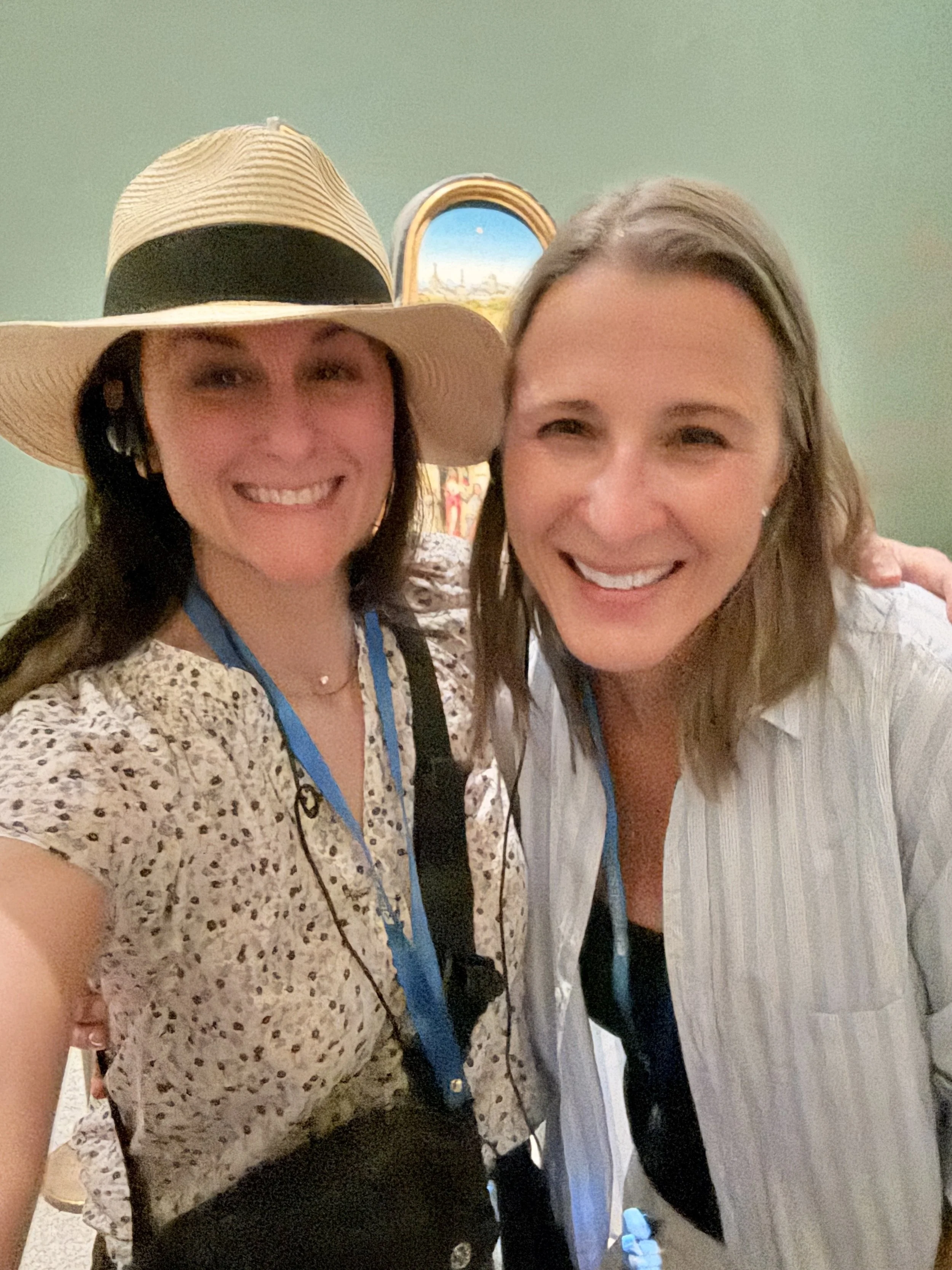
Visiting the Museo Nacional del Prado was one of those experiences that fills your creative cup in a completely different way.
Walking through galleries filled with works by Spanish masters like Velázquez, Goya, and El Greco, we found ourselves looking beyond the paintings themselves and noticing the things we naturally gravitate toward as designers:
Color. Contrast. Proportion. Composition. Shadow. Movement. Texture.
The richness of the colors was incredible with deep blues, warm neutrals, muted greens, blacks, creams, and beautiful earthy tones that felt surprisingly relevant to interiors today.
Art has a way of reminding you that some combinations are timeless.
Design You Can Taste
In Spain, inspiration wasn’t limited to what we could see. We found it in the food, too.
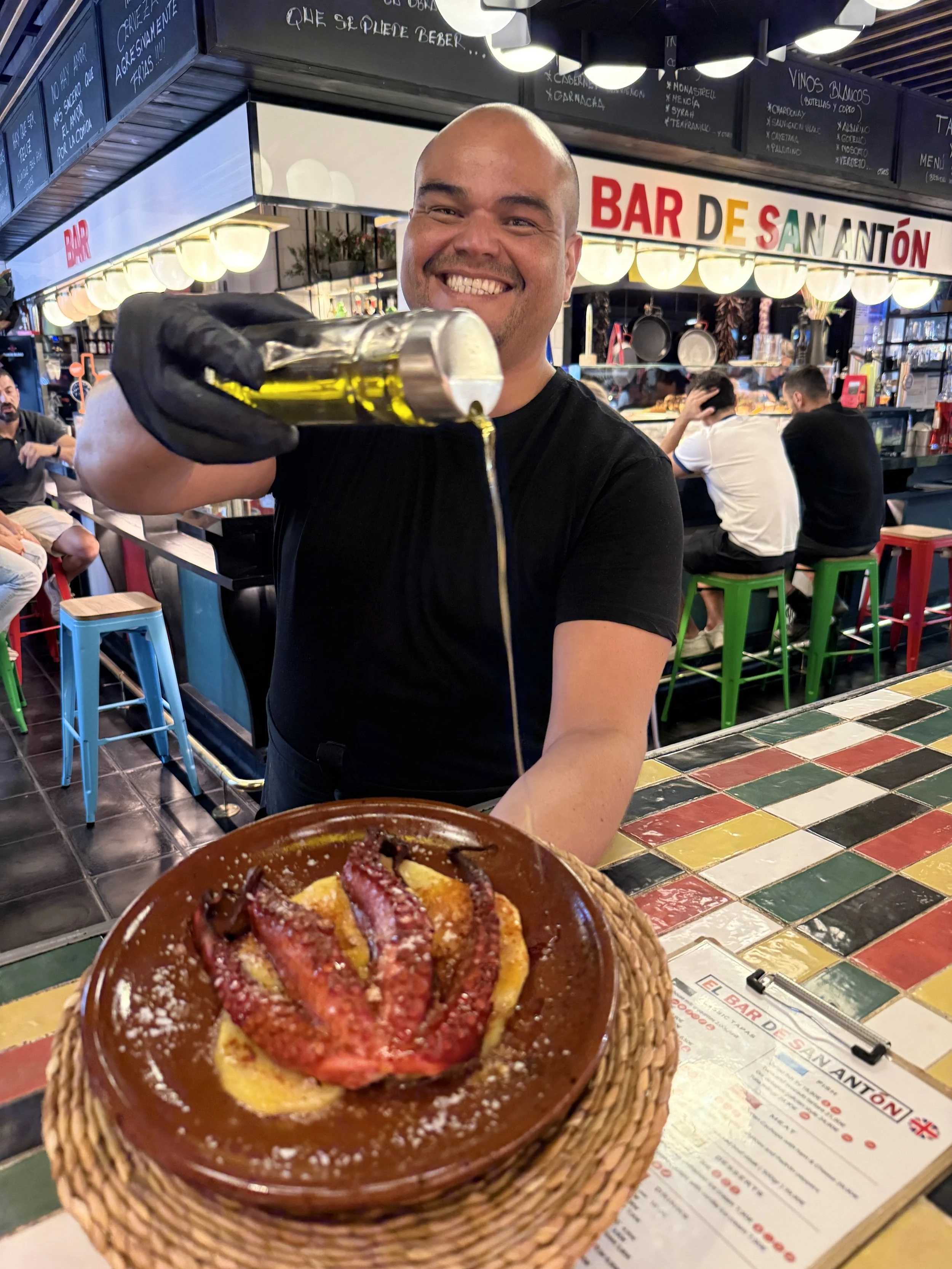
The way food was presented, the beautiful ceramics it was served on, the colors and textures of the ingredients, and the atmosphere surrounding a meal all felt connected to Spain’s approach to design.
There is a sense of layering without overcomplication.
Something can be rustic and sophisticated at the same time. A beautiful material doesn’t have to be perfect. A simple ingredient can become extraordinary when it’s treated with care.
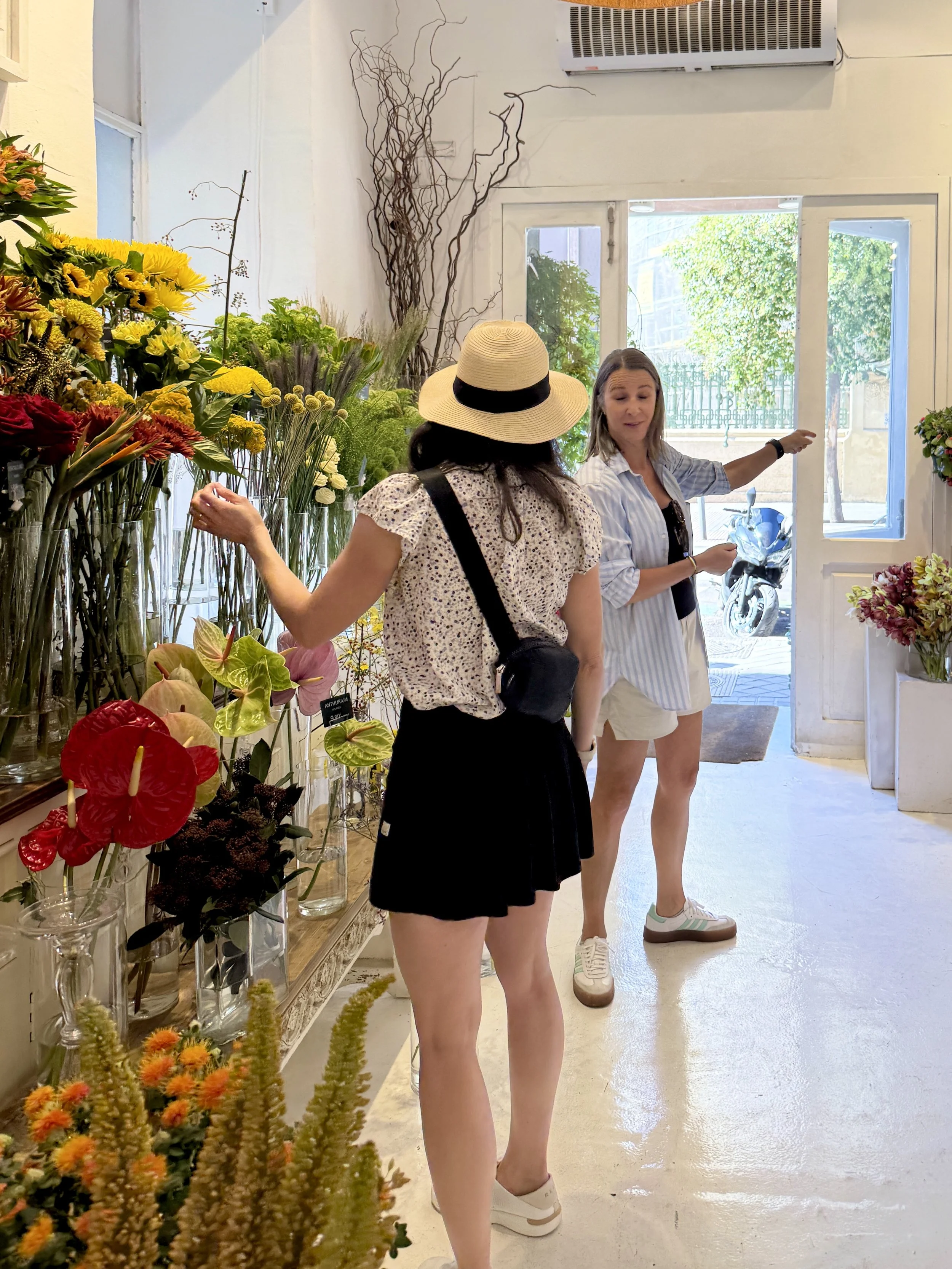
Those ideas translate surprisingly well to interiors. We ate brunch at Chic just steps from the Puerta de Sol and it checked all the boxes of the term, “layering”. Look at these fun pictures of Chic including their flamboyant bathroom!
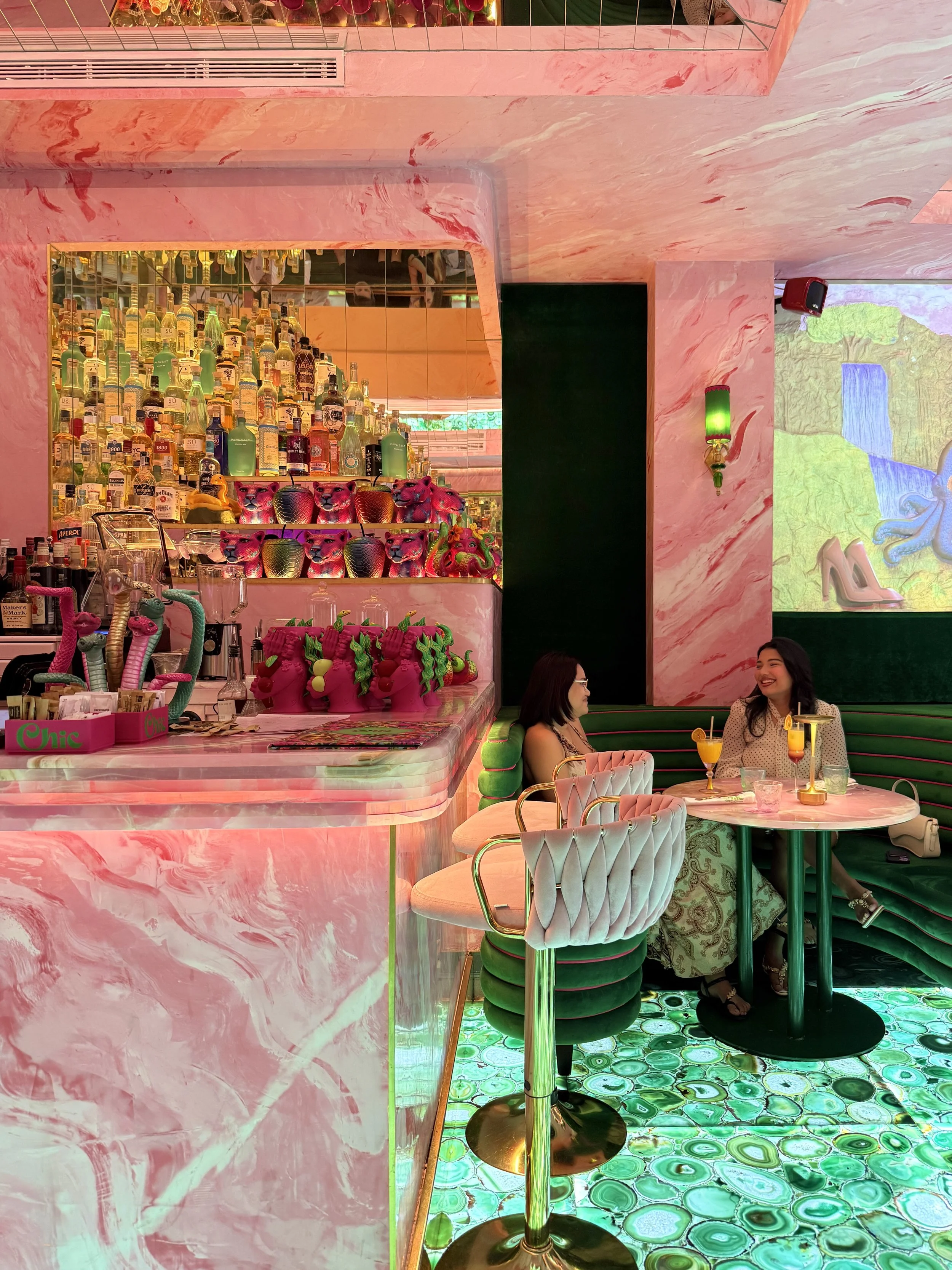
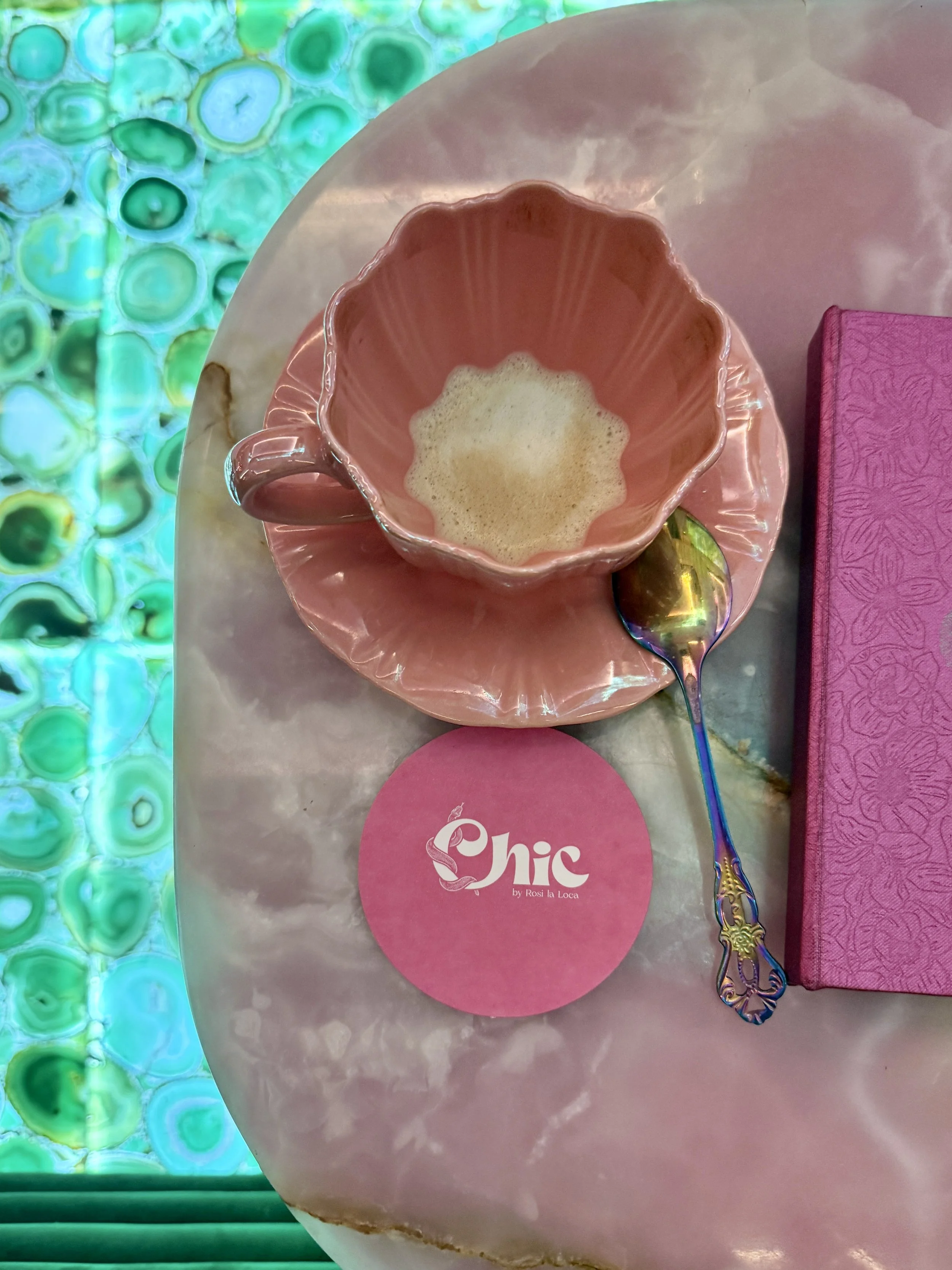
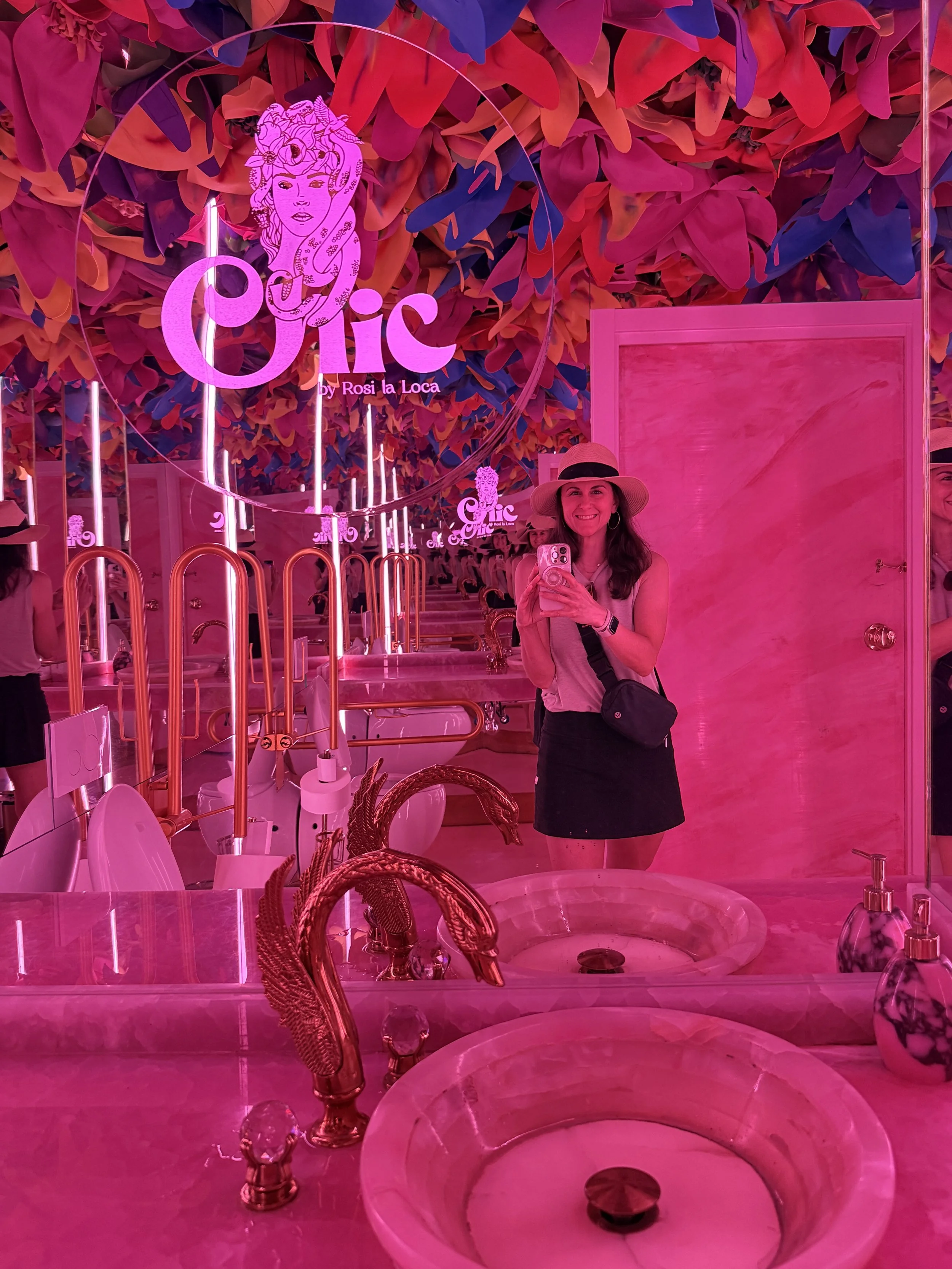
We left Madrid thinking about vibrant colors, organic materials, patterned tile, aged stone, beautiful woods, handcrafted details, and rooms that feel collected rather than overly coordinated.
And then we traveled to see where one of those materials actually begins.
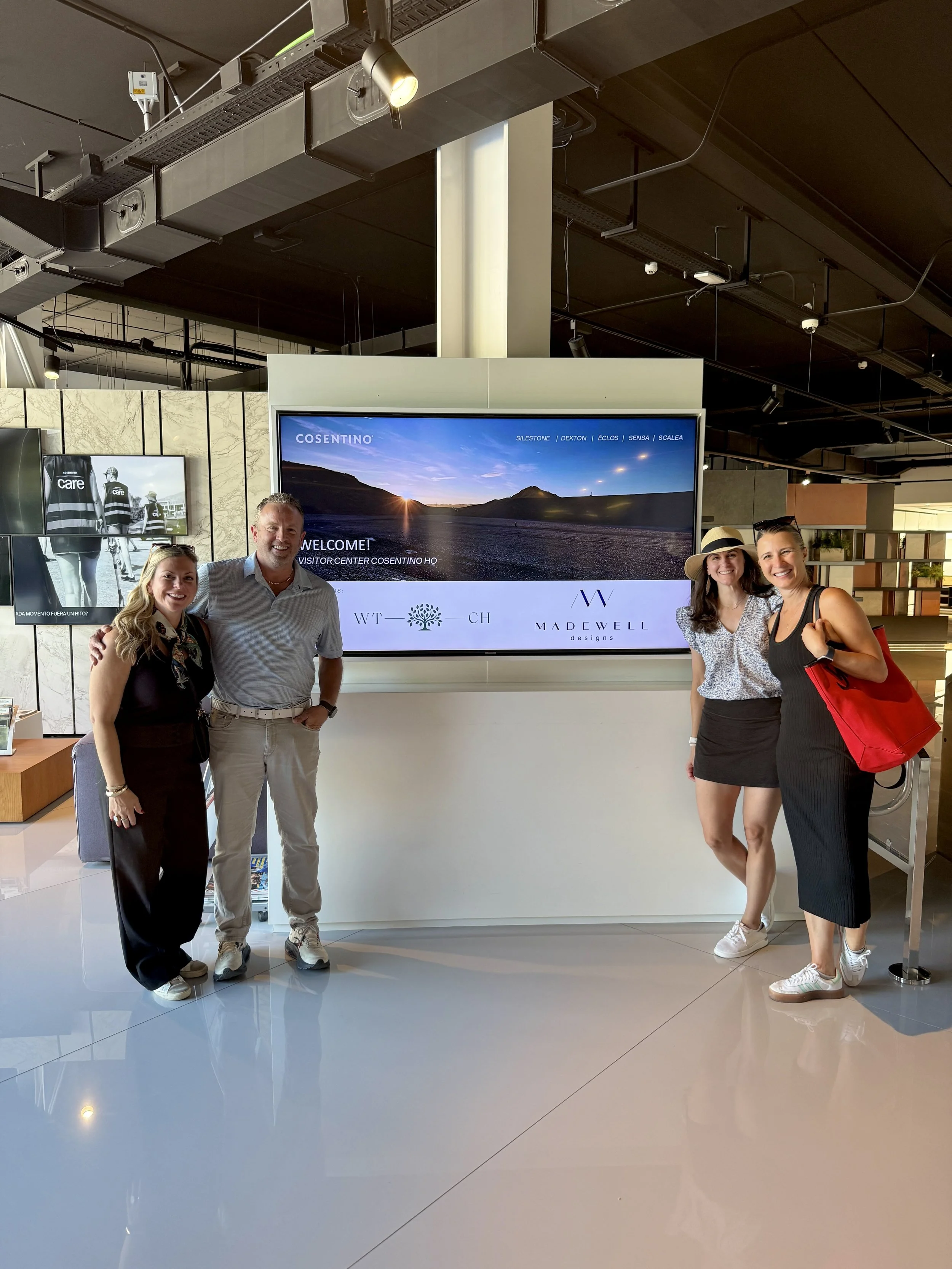
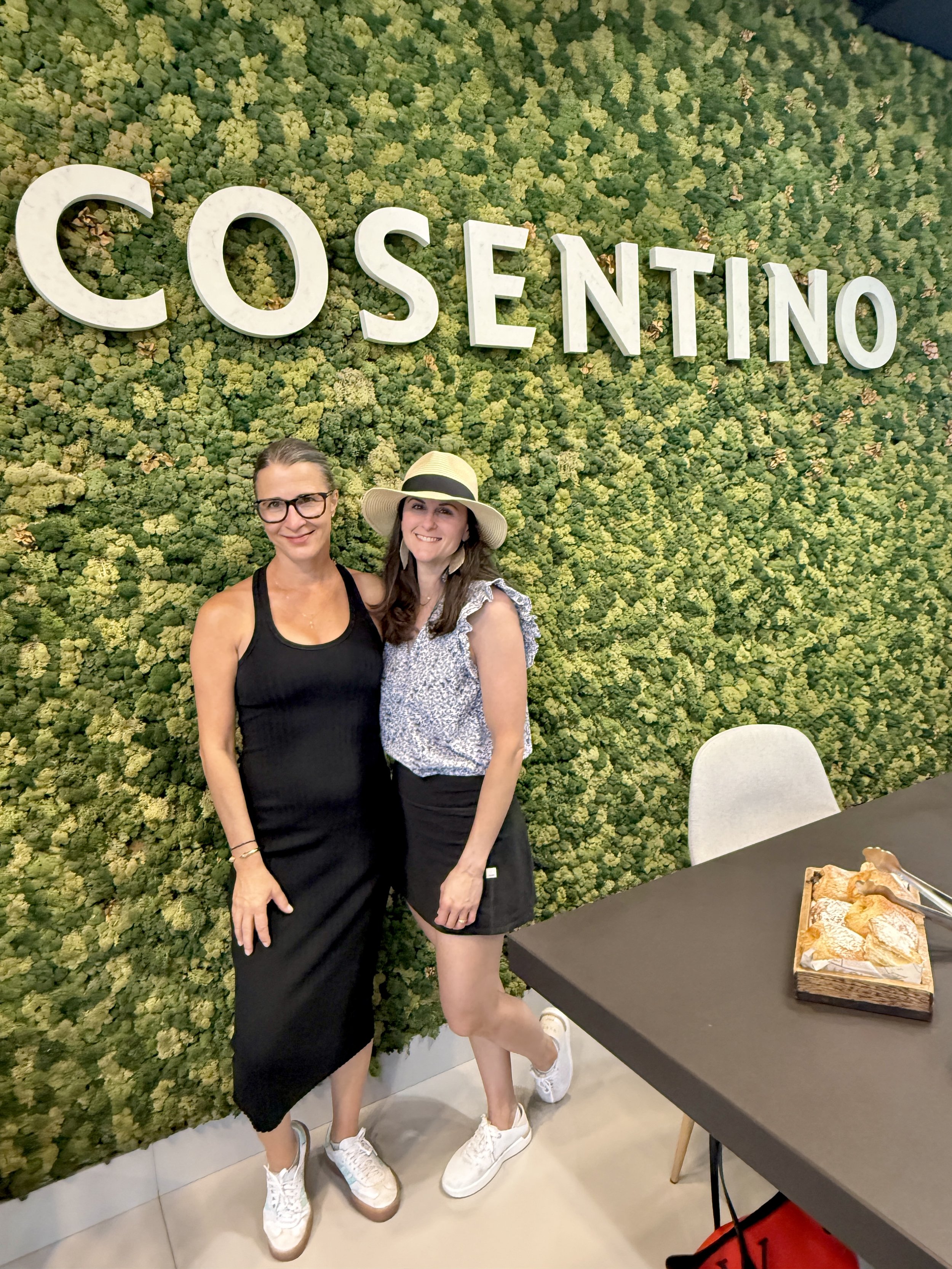
Going Back to the Source: Visiting Cosentino in Spain
As designers, we spend so much time looking at finished materials - samples laid across a table, slabs selected for a kitchen, stone installed in a bathroom, and it can be easy to forget the extraordinary process behind them.
Seeing that process firsthand at Cosentino completely changed our perspective.
Cosentino’s roots are deeply connected to natural stone and the marble producing region of Almería, including the region’s famous Blanco Macael marble.
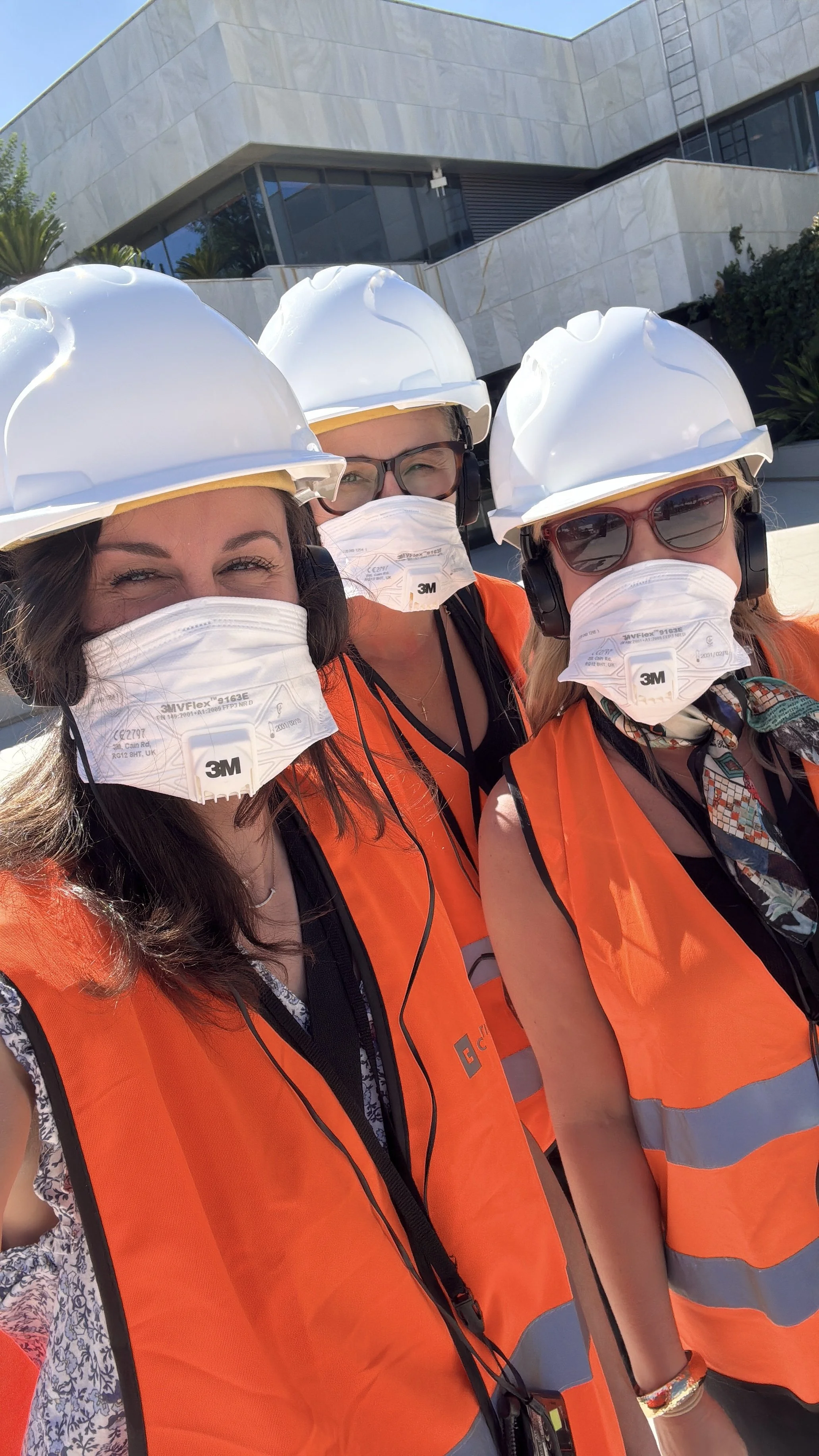
And then we actually got to see the beauty of the quarry.
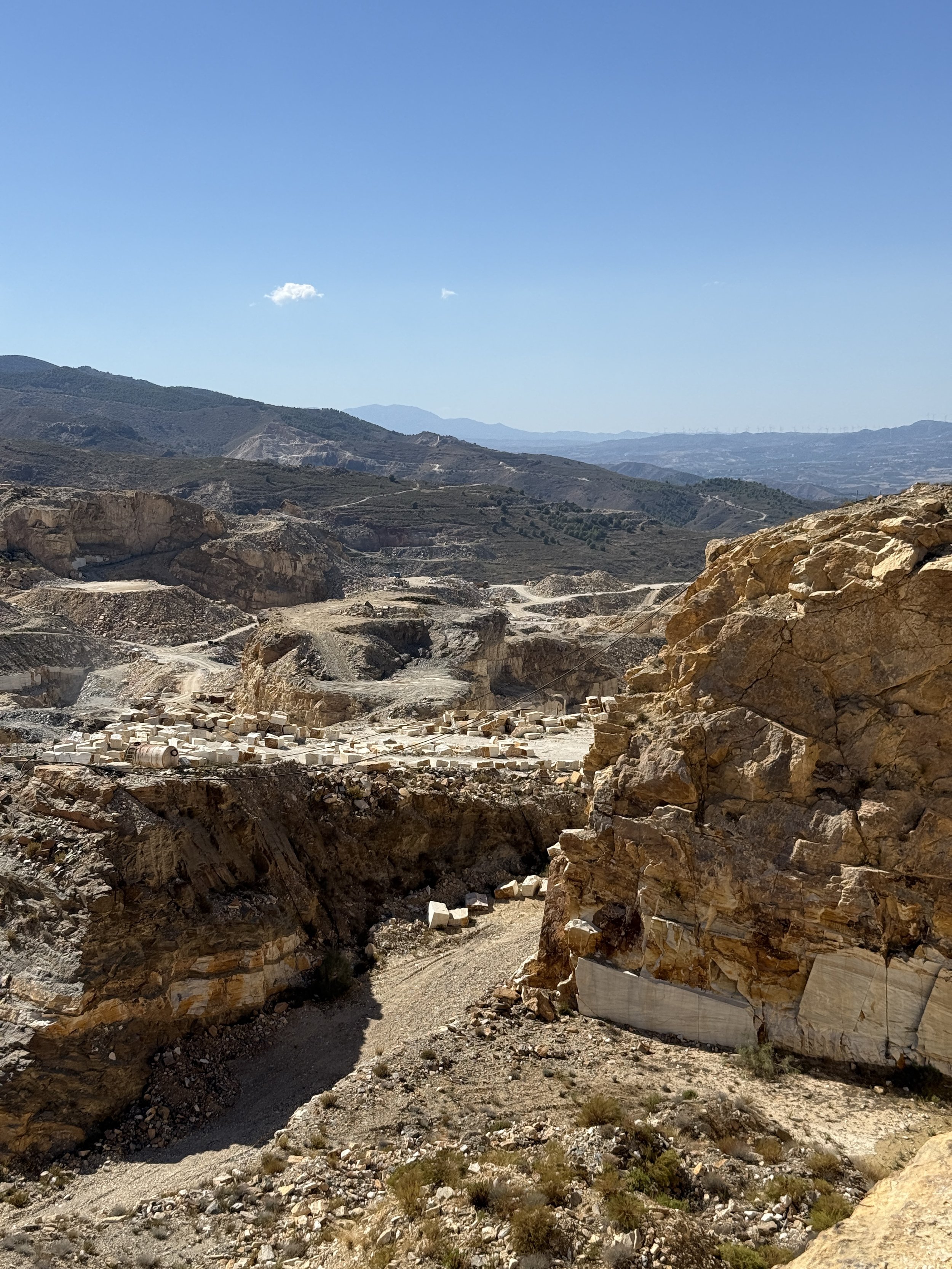
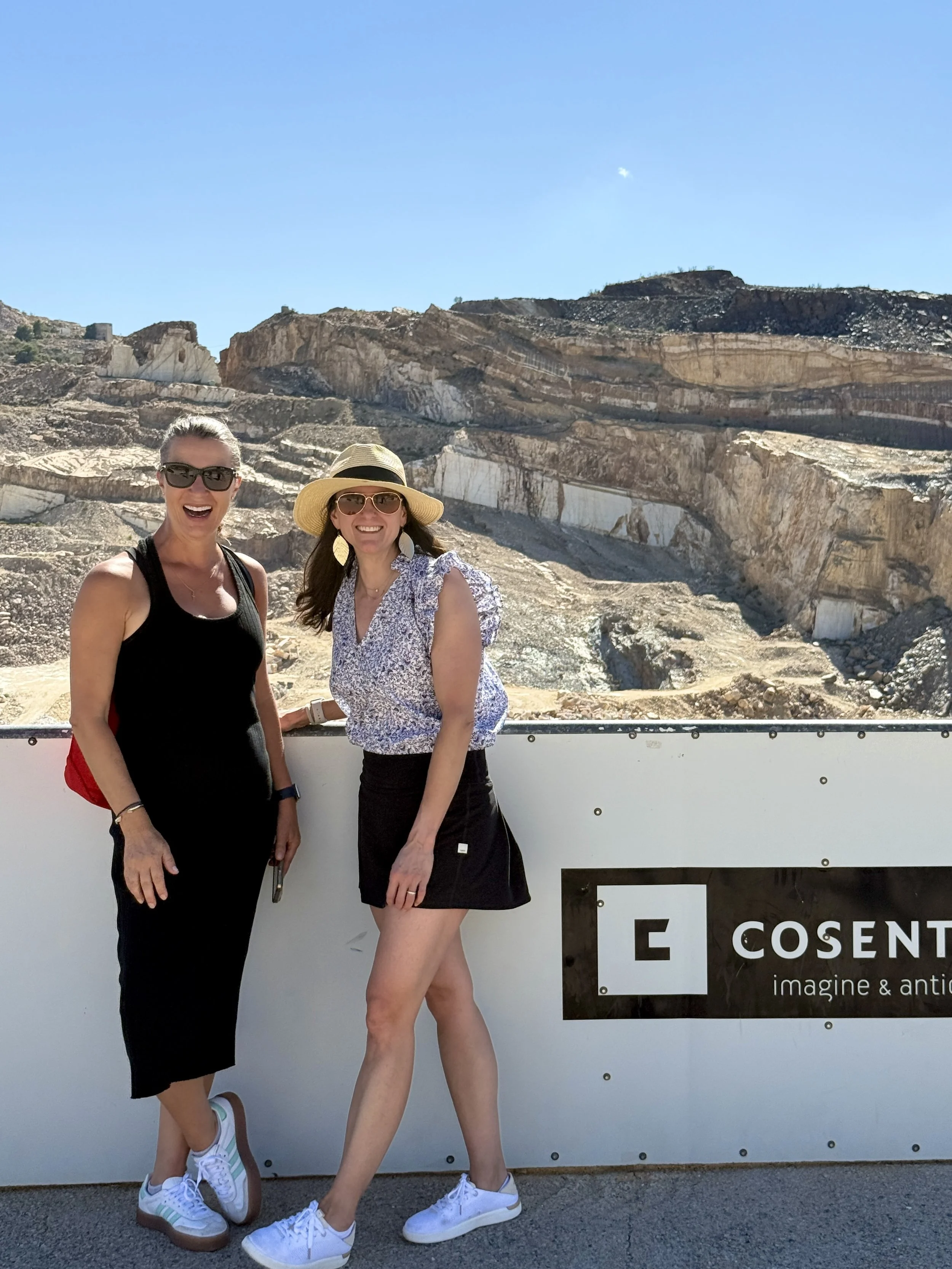
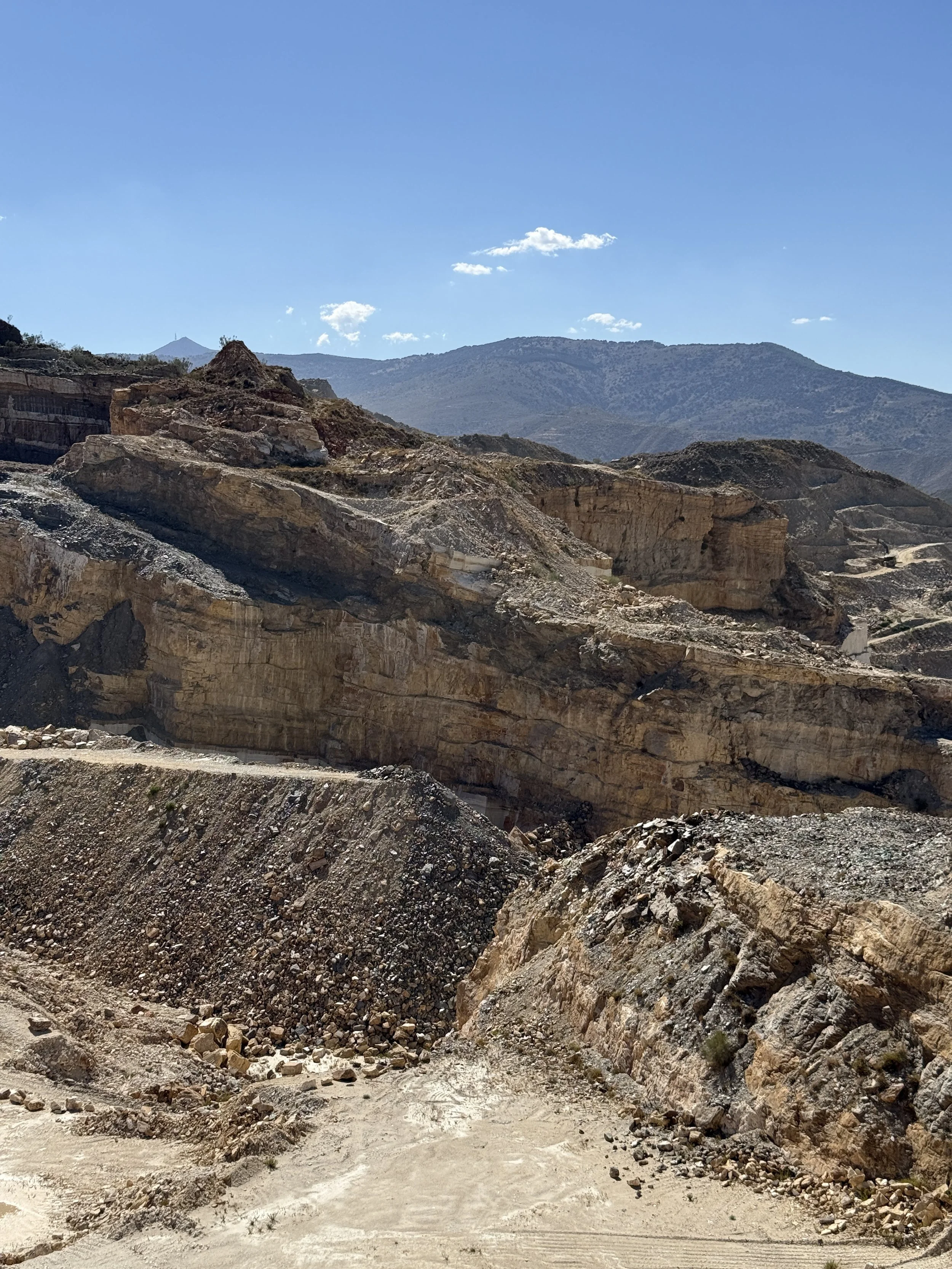
A look at Cosentino’s marble quarry in Macael, Spain.
It is difficult to communicate the scale of a marble quarry until you’re inside one.
Seeing enormous walls of stone and realizing that the material we use to create relatively intimate details in a home begins here was absolutely incredible.
The journey from raw stone through extraction, cutting and processing, and ultimately into the beautiful slabs and architectural materials we work with every day is certainly a process!
There is something humbling about it.
A piece of marble isn’t simply a finish selected for a project. It is a piece of the earth with its own history, movement, variation, and imperfections.
That idea became one of the biggest themes of our entire trip.
Inside the Cosentino Factory: Where Technology Meets Design
Touring Cosentino’s manufacturing facilities gave us an entirely different appreciation for the other side of the material world: innovation.
We saw how Cosentino combines design, engineering, technology, and material science to create surfaces that deliver a particular aesthetic while also being engineered for the demands of everyday life.
Seeing Dekton Come to Life
Dekton is an ultracompact surface created through Cosentino’s Sinterized Particle Technology, a process inspired by transformations natural stone undergoes under intense heat and pressure over enormous spans of geological time. We love Dekton because it performs beautifully in outdoor spaces through the extreme heat, cold winters, and torrential downpours.
Seeing the scale and precision involved in manufacturing was fascinating.
The material is formed into slabs and subjected to tremendous pressure and high-temperature treatment, producing the dense, high-performance finished surface.
There is a wonderful contrast there:
Technology recreating, in a matter of hours, processes inspired by what nature accomplishes over thousands of years.
As designers, that balance between nature and innovation gives us an entirely different set of tools for choosing the right material for each project.

A First Look at ĒCLOS
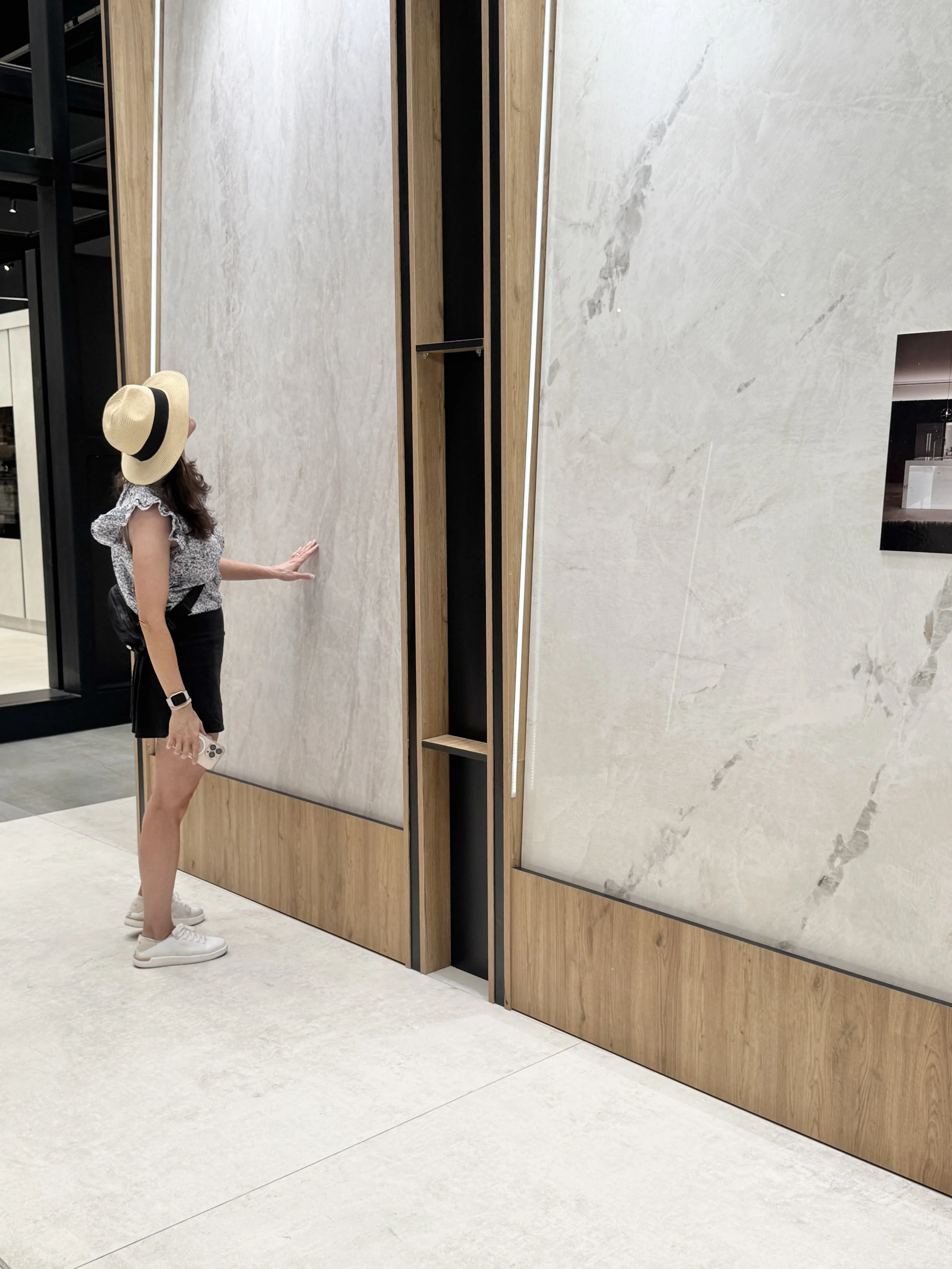
One of the most exciting parts of our visit was learning more about one of Cosentino’s newest innovations: ĒCLOS.
ĒCLOS represents Cosentino’s next generation of mineral surfaces and introduces its INLAYR technology, designed to create a layered, three-dimensional appearance within the body of the material rather than relying solely on surface decoration.
The result is depth, movement, and veining, qualities that become especially interesting when we’re trying to capture the visual character and dimensionality we love about natural materials. We also love this material because it contains ZERO silica which means it is very safe for our fabricators to work with when cutting and polishing.
We’re always interested in the point where innovation allows performance-driven products to feel warmer, more dimensional, and more natural.
Seeing where Cosentino is heading with ĒCLOS gave us so many ideas for future projects!
Falling in Love with Natural Stone All Over Again
As impressive as the technology was, our visit to the quarry reminded us why we will probably never stop falling in love with natural stone.
Cosentino’s Scalea natural stone collection includes marble, granite, limestone, travertine, and other natural stones.
Because these materials are created by nature, every slab carries variations in veining, tone, texture, and movement that can’t be perfectly replicated.
We have always appreciated those variations, but seeing stone at its source makes you appreciate them differently.
Those “imperfections” aren’t flaws. They’re the story.
They tell you where a material came from and remind you that it wasn’t manufactured to be perfectly identical from one piece to the next.
It was shaped over time.
And that thought followed us all the way to Granada.
The Alhambra: Hundreds of Years of Beautiful Imperfection
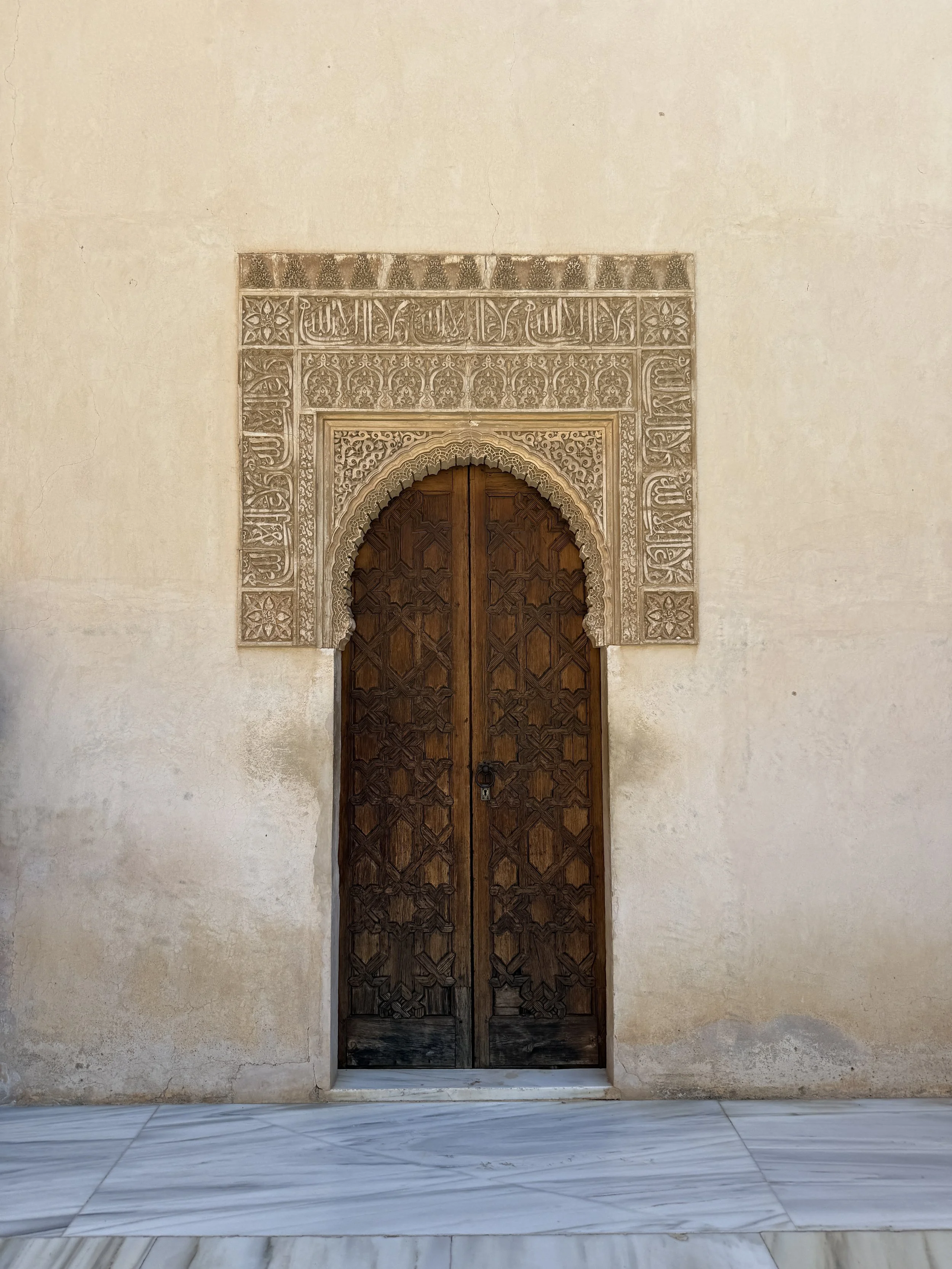
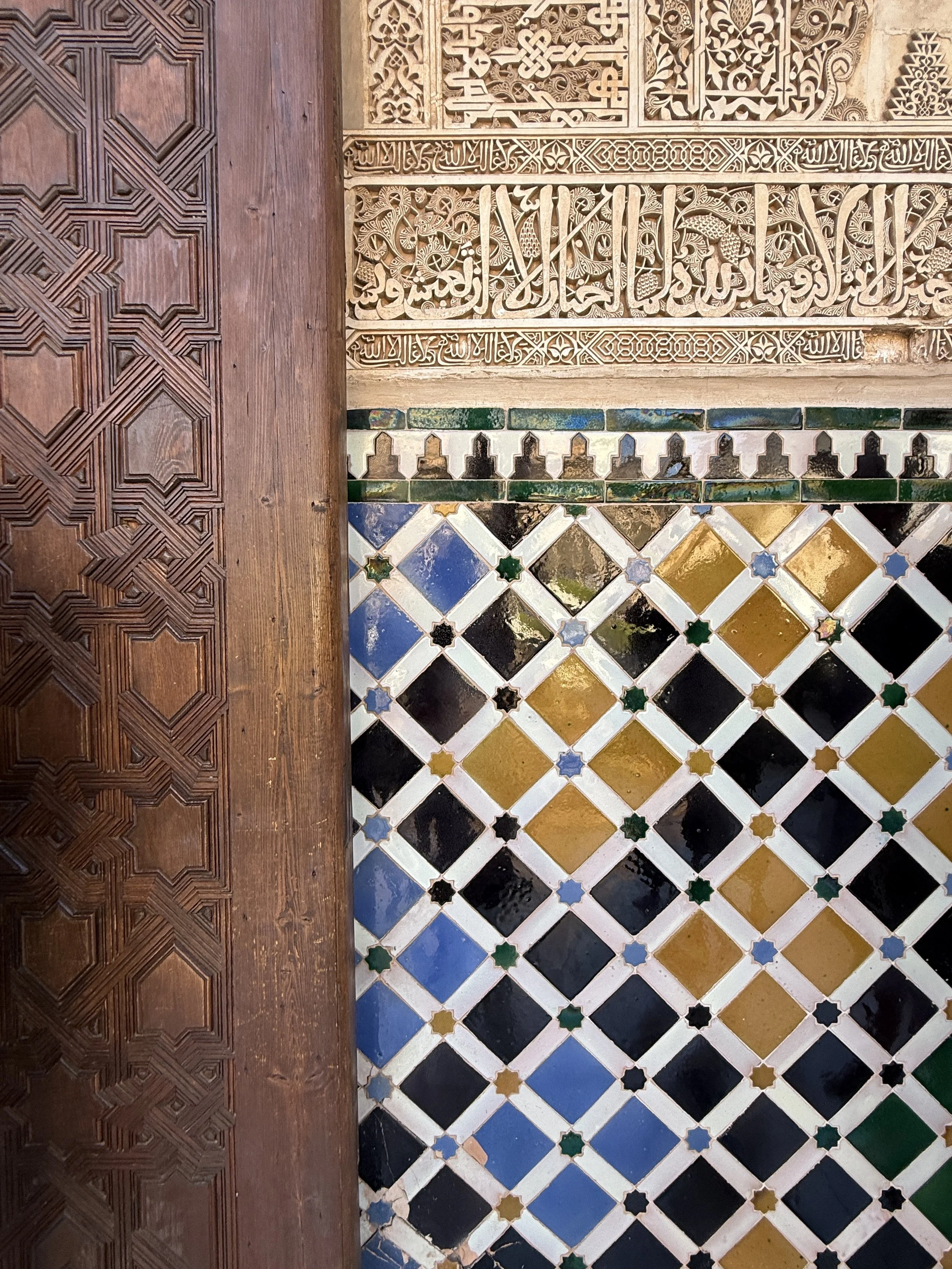
One of the most inspiring experiences of the entire trip was touring the Alhambra in Granada.
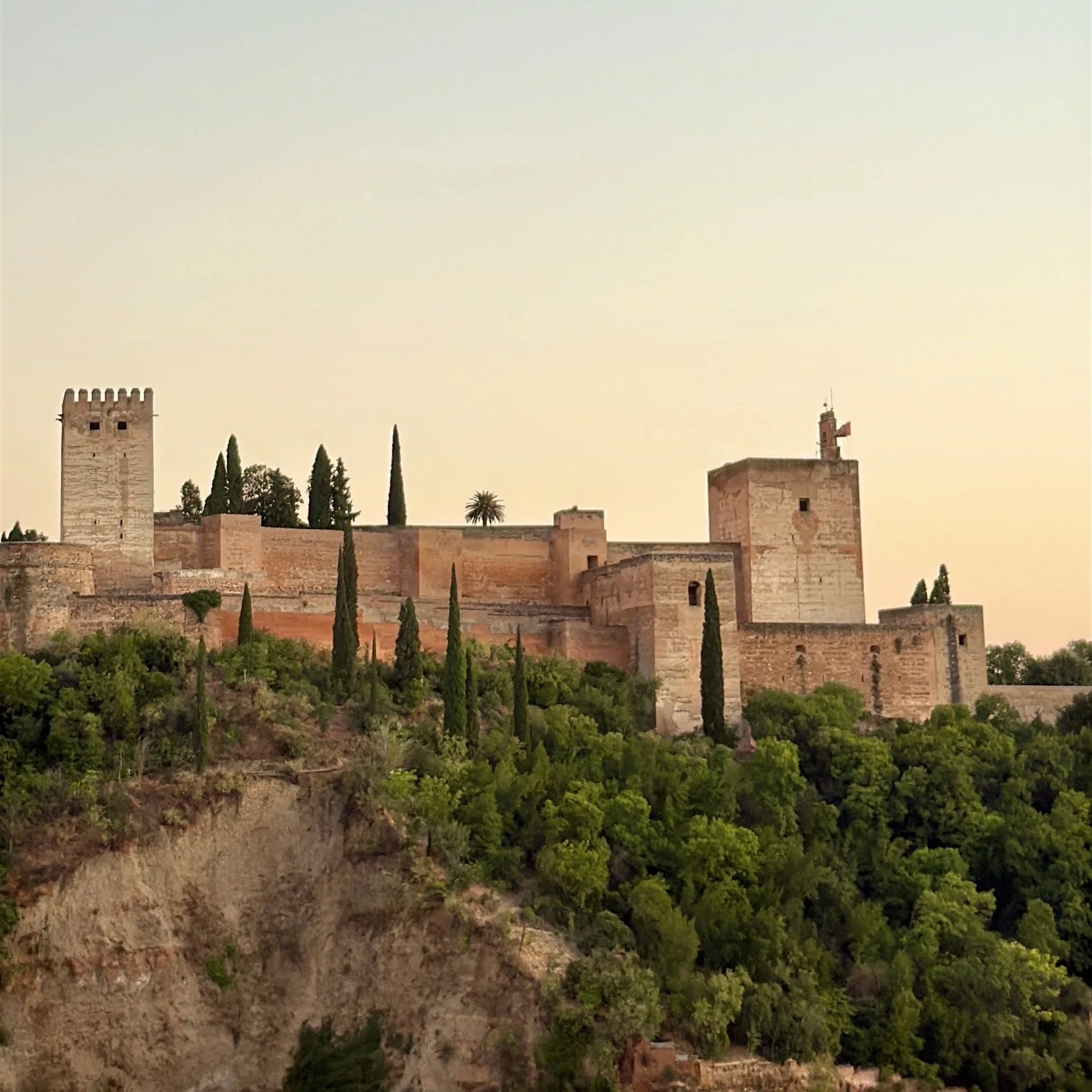
Alhambra in Granada, Spain
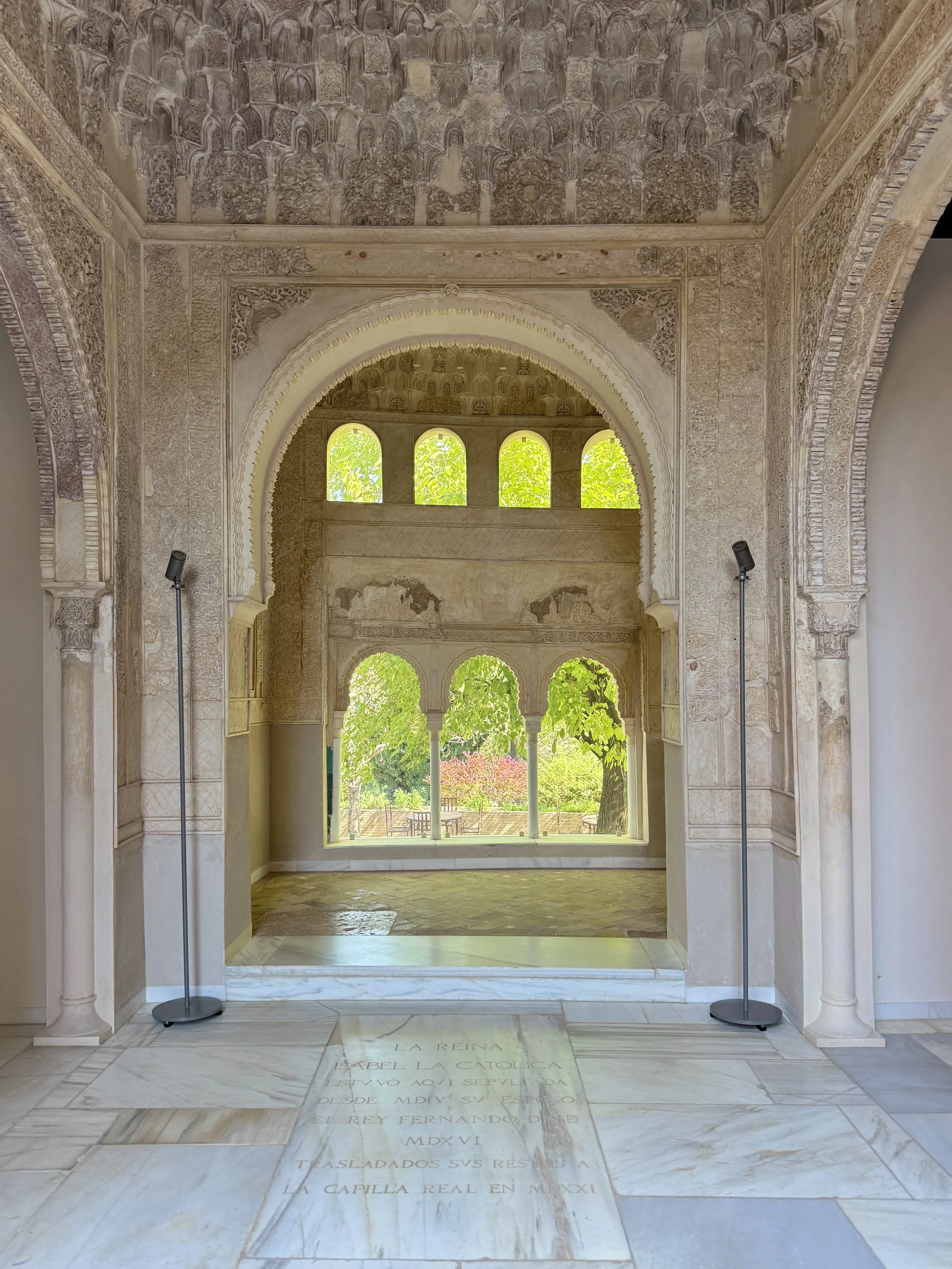
It is almost impossible to take in the amount of detail at once.
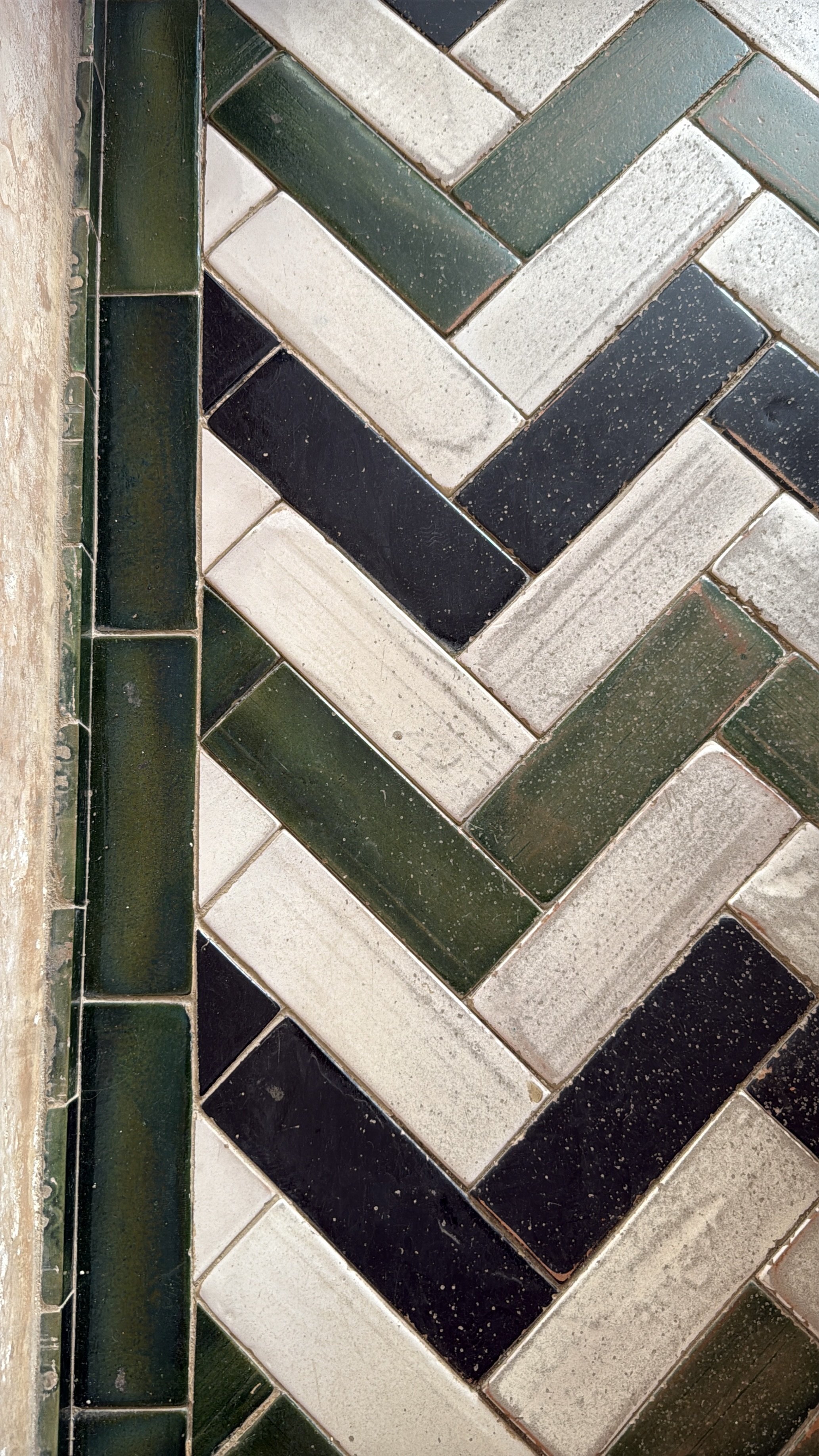
The architecture, geometry, carved surfaces, repeating patterns, courtyards, water, tile, stone, and changing light create layer upon layer of texture.
Everywhere we turned, there was another detail to study.
We were mesmerized by the patterns and craftsmanship, but one of the things that stayed with us most was surprisingly simple:
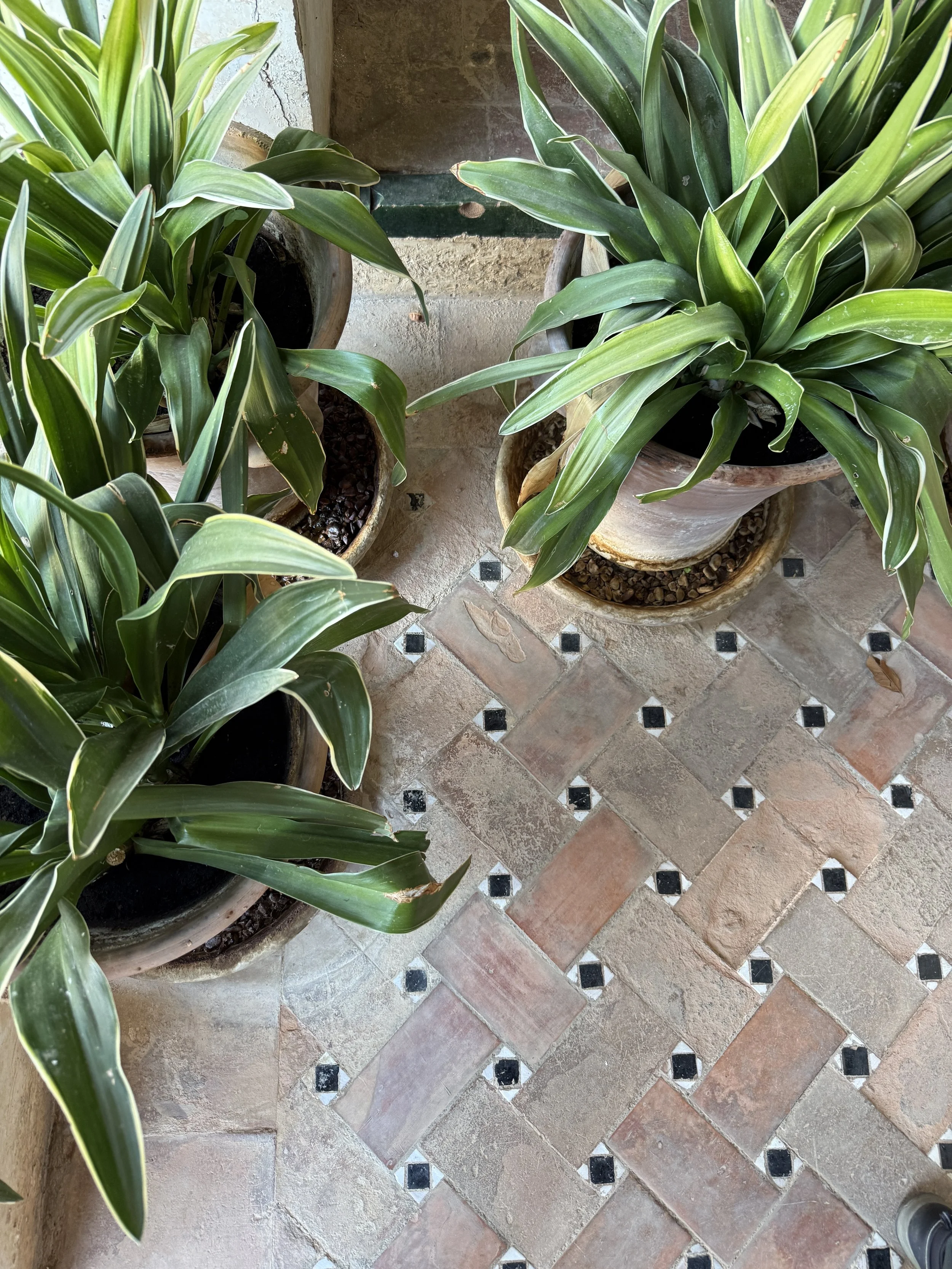
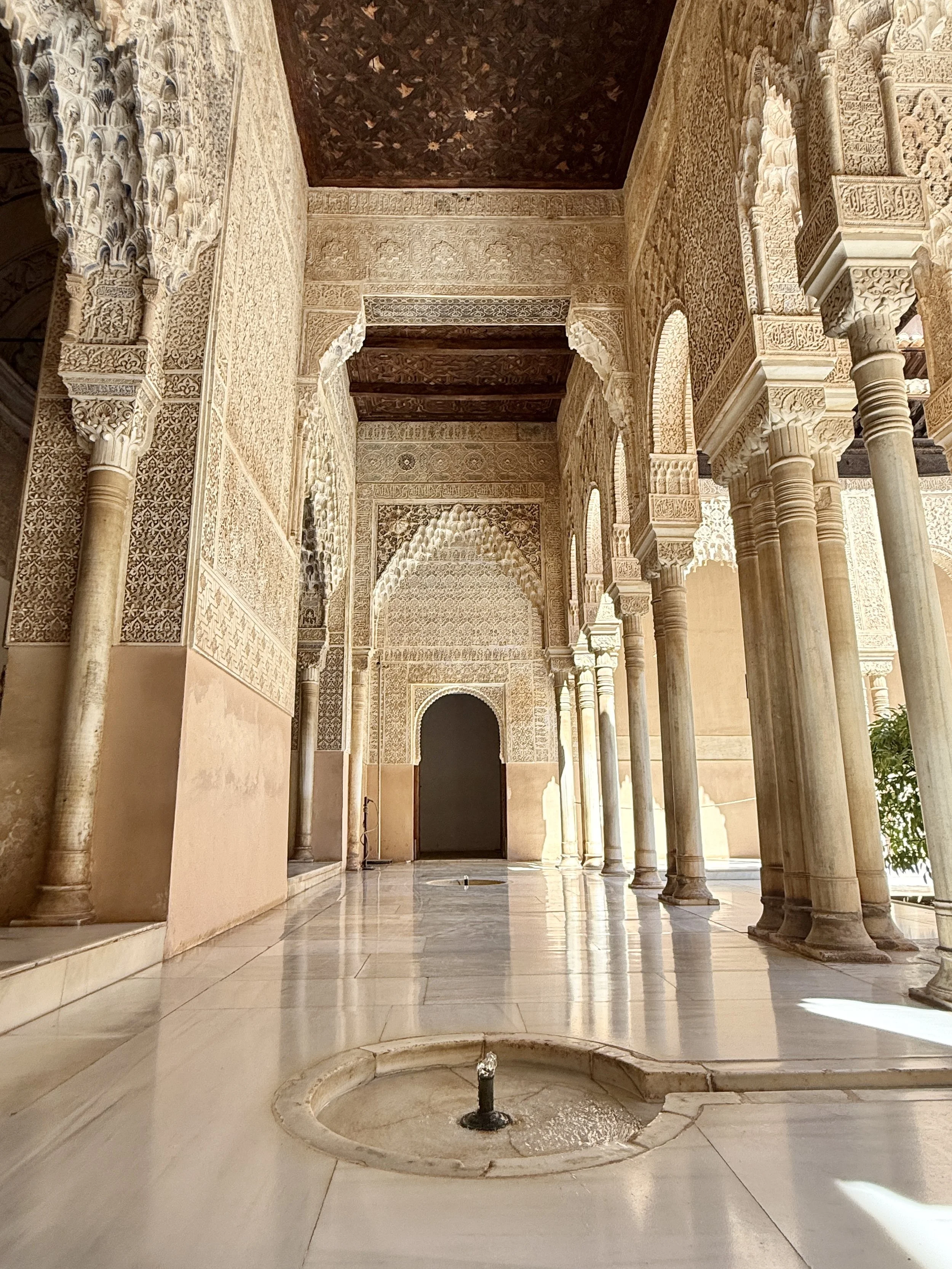
The marble floors. We kept looking down.
Aged marble flooring that is timeless and gorgeous in the Alhambra in Granada, Spain.
These floors have been walked on for generations. They’re worn. They’re aged. They’re imperfect.
They don’t look exactly the way they did when they were first installed and yet they’re still incredibly beautiful. Maybe they’re even more beautiful because of it.
After standing in a marble quarry and witnessing where stone begins, there was something incredibly powerful about then standing on marble that had been part of a historic place for centuries.
It felt like seeing the entire lifecycle of a material within the span of one trip.
A Different Way to Think About Timeless Design
We talk a lot in design about choosing materials that will “hold up.” Usually, we mean resisting scratches, stains, water, or everyday wear. Spain gave us another way of thinking about durability.
What if holding up doesn’t always mean looking exactly the same forever?
Natural materials age. Marble develops a patina. Floors show wear. Finishes soften. Small imperfections appear.
And sometimes those changes are exactly what give a home depth and character.
In Madrid, we saw how centuries of art, food, architecture, and craftsmanship continue to influence contemporary design.
At Cosentino, we saw both sides of material creation—the ancient geological processes behind natural stone and the incredible modern technology being used to develop the next generation of surfaces.
And at the Alhambra, we saw what happens when beautiful materials are given time to simply live.
Bringing Spain Home
We returned from Spain with full camera rolls, plenty of inspiration, and a renewed appreciation for materials that tell a story.
We’re thinking about rich, earthy colors inspired by paintings in the Prado. Handcrafted tile. Warm stone. Pattern. Aged finishes. Beautiful woods. Layered textures. Materials that aren’t afraid to show a little variation.
We’re also thinking differently about perfection. A home doesn’t need to remain pristine to remain beautiful. In fact, some of the most memorable spaces we experienced in Spain were beautiful precisely because you could see their history.
It’s about how it feels.
How it functions.
Where it came from.
And how beautifully it can evolve over time.
We have a feeling you’ll be seeing pieces of Spain - and this new appreciation for color, stone, tile, texture, and beautiful imperfection showing up in our designs for a long time to come.